Finding solutions for sharing data to prevent youth homelessness
Youth experiencing homelessness often move between different programs and public systems. At each place, they share their history, their needs, and their hopes. But that information rarely follows them. New organizations often start from the beginning, and the young person becomes the only connection between the services trying to help them.
The impact of this disconnection is real. Referrals take longer, services are duplicated, and staff lack the full picture to coordinate care effectively. Preventing homelessness becomes harder when services aren’t connected.
PolicyWise for Children & Families recognized this challenge and, with our partners, is creating some solutions. With Building Youth Homelessness Data Collaboration, we are working on practical solutions grounded in emerging practices and real community experience. We’re partnering with service organizations to pilot ways for agencies to share the right information in the right way, so staff can make informed referrals and better serve their clients.
Why start sharing information
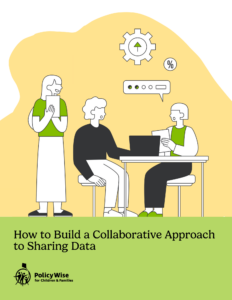
As part of this work, we recently released How to Build a Collaborative Approach to Data Sharing. Drawing on insights from interviews with existing collaboration leaders, we offer five key considerations for starting a data collaboration. Our report offers actionable steps, reflective questions, and real-world strategies so organizations can begin collaborating on data sharing.
Youth often move between shelters, programs, and public systems. Service providers work hard to support them, but isolated information makes it hard to ensure youth are getting efficient and appropriate care. Sharing relevant information helps provide timely referrals, minimizes service duplication, and strengthens prevention. , which is why early, coordinated action matters.
This project identifies practical ways to share information that improves coordinated service access for youth who are homeless or at risk of homelessness. It is grounded in emerging practices and real community experience and is being developed with partners and youth. A pilot is being tested in Calgary, with the goal of informing prevention efforts nationwide.
Establish purpose and intention so everyone knows the why and the how.
Identify and reduce risks to address privacy and security concerns early.
Promote client-centred design so consent, culture, and trauma-informed practice guide choices.
Understand and navigate capacity so the work fits each partner’s realities.
Make sustainability a priority so collaboration can last and improve over time.
Each section of the report explains why the considerations matter and offers clear, actionable tools and reflective questions. Use this report to spark meaningful conversations about collaboration, whether you are just starting out or already working with another organization.
How to Build a Collaborative Approach to Data Sharing
Removing barriers with data collaboration
Data collaboration helps remove barriers for youth experiencing homelessness and for the staff supporting them. By working together, service agencies and providers can reduce service duplication, close gaps, and build trust through careful, client-centred sharing.
Learn how you can start your data collaboration journey by visiting our project page. Or you can download, read, and share our report with your team and partners.
Together, we can help prevent youth homelessness by ensuring they get the right support at the right time.